
 020 3551 1493

- Drug and Alcohol
Court approved hair, nail, blood drug and alcohol testing - Maternity and Paternity
Ministry of Justice approved legal DNA testing - Wider Relationships
Understanding second and third degree familial connections - Immigration
Home Office approved testing for visas and passports - Expert Services
Court standard expert witness reporting - International DNA Collection
Home Office approved DNA collection from overseas

Introduction to Spice
Synthetic cannabinoids, more commonly referred to by the street name spice, are becoming a major concern in the UK. Listed as a Class B Drug under the UK Misuse of Drugs Act 1971 since 2016, it's illegal to possess, sell, or produce synthetic cannabinoids. Despite that, the reported usage rates are increasing, especially in UK schools and prisons.
As a Class B Drug under the Misuse of Drugs Act 1971, possession, supply, and production of spice carry serious legal consequences. Individuals in possession of spice could face up to five years in prison and an unlimited fine, and anyone producing or distributing the drug risks a maximum sentence of 14 years and an unlimited fine.
It's a dangerous drug with big consequences. Below, we've put together a comprehensive guide that explores the available drug testing methods to detect spice misuse.

Spice Street Names
Spice has several street names. Some of the most common include:
- K2
- Black Magic
- Mamba
- Blaze
You will most commonly hear of it being called spice, although there is a trend of street dealers distributing synthetic cannabinoids under the false "marketing" that it's delta-9-tetrahydrocannabinol, or THC. And because, as the name suggests, synthetic cannabinoids are produced to replicate the effects of THC, it's easy to mistake one for the other in street markets.
Spice's Chemical Structure
The chemical structure of spice depends on the specific variation of it, but often the nomenclature is derived from the four main structural components; the core, tail, linker, and linked group. There's no definitive number of spice compositions, but since 2012, over 247 synthetic cannabinoid variations have been reported to the European Monitoring Centre for Drugs and Drug Addiction (EMCDDA). It's the largest, relatively new group of psychoactive substances in Europe, accounting for 25% of all substances.
Most spice mixtures using lab-made cannabinoids are built around structures like JWH-018, HU-210, or XLR-11. As the drug market changes, increasingly being found are newer synthetics and semi-synthetic cannabinoids, such as MDMB-4en-PINACA and hexahydrocannabinol (HHC).

How To Test For Spice
Detecting spice misuse requires specialist testing methods, as synthetic cannabinoids are not identified by standard drug screening panels. The choice of test depends on the timeframe being investigated, the suspected pattern of use, and the legal or safeguarding context. Below, we outline the most effective biological matrices for detecting both recent and historical spice exposure, along with their respective detection windows and limitations.
01
Hair
Long Detection Window (Months)

Hair drug testing is one of the most effective testing methods for detecting long-term spice misuse. Once an individual ingests the drug, cytochrome P450 (CYP) enzymes metabolise the drug in the liver by oxidation, and are subsequently conjugated with glucuronic acid by UDP-glucuronosyltransferases (UGTs). These metabolites then travel through the bloodstream before binding to keratin fibres in the hair through the blood capillaries. It can take approximately one to two weeks from first consumption for the metabolites to be found in the hair sample, after hair has sufficiently emerged from the scalp to be cut, after which they could remain in the hair fibres and be accurately measured for up to 6 to 12 months. Like with most hair drug testing, an issue with hair drug testing for spice is that the amount present can be impacted by how the hair is treated, including bleaching, dyeing, or exposure to sunlight.
Explore Hair Drug Test03
Urine
Medium Detection Window (Days)
The urine drug testing method is a great option for detecting spice misuse. A 2020 study found that a specific synthetic cannabinoid, AB-FUBINACA, and its metabolite was detectable in urine samples after 11 minutes following drug ingestion of a powder capsule, and both were still detectable after 72 hours. It should be noted that consuming these compounds via smoking or vaping can increase the maximum concentration found but reduce the detection window due to quicker absorption and elimination of the drug compared to ingestion of tablets or edibles, and as such if a longer timeframe is required then hair or nails should be tested.
Explore Urine Drug Test04
Blood
Short Detection Window (Hours to Days)
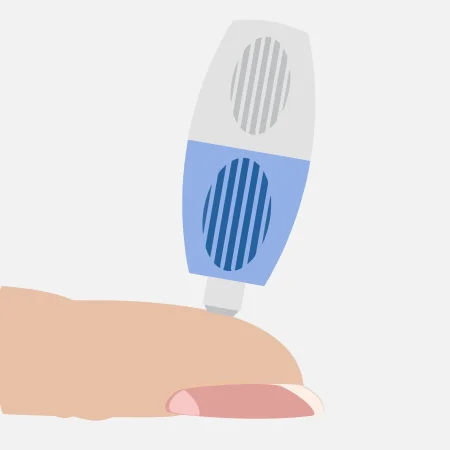
Blood analysis for drug testing is an excellent choice, with an overall shorter detection window compared to urine, hair, or nails, where legal professionals suspect recent spice misuse could have aligned with criminal activity. Blood analysis allows for a better correlation between blood concentration of the substances and physiological effects, such as impairment. You are also more likely to identify the parent drug, as opposed to metabolites such as the glucuronic conjugates as mentioned above. For ongoing legal proceedings, it's recommended to use blood drug testing alongside other testing methods with a long-term detection window, such as fingernail or hair drug testing.
Explore Blood Drug Test05
Saliva
Short Detection Window (Hours to Days)
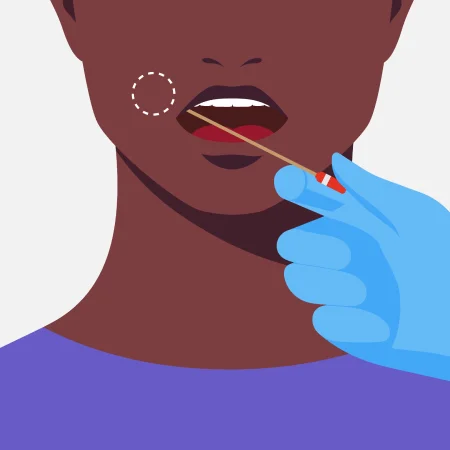
It's not as common to use saliva drug testing to detect synthetic cannabinoid misuse. That said, if it is one of the available and selected drug testing methods, metabolites will be present in the saliva for up to 3 days. It depends on how much was ingested, for how long (ongoing e-cigarette smoking), or the strength of the drugs consumed.
Explore Saliva Drug TestLegitimate Use Cases for Spice

There are no legitimate use cases for spice. It's an extremely dangerous drug that carries numerous health risks and can lead to dependency causing awful withdrawal symptoms. Some of the side effects of spice consumption include:
- Inability to move
- Dizziness
- Drowsiness
- Difficulty breathing
- Increased appetite
- Heart palpitations
- Seizures
- Anxiety
- Paranoia
- Suicidal thoughts
- Psychosis
- Stomach issues
Will Spice Show Up on a Drug Test?

Yes, spice will show up on a drug test if it's specifically testing for synthetic cannabinoids. It won't appear on standard 5, 6, 9, and 10-panel drug tests. Legal professionals will need to specifically request a test designed to detect recent and long-term spice abuse.
Get a QuoteHow Long Does Spice Stay in Your System?
This depends on multiple factors, such as the individual’s health and genetics, the method of consumption (vaping, smoking, ingestion), and more. However, generally, the time spice remains detectable based on the aforementioned factors can be:
- Hair: Up to approximately 6-12 months, and sometimes longer.
- Fingernail: Approximately 6 months for fingernails and up to 12 months for toenails.
- Urine: Approximately 1-3 days, and sometimes longer
- Blood: Approximately 1-2 days
- Saliva: Approximately 1-3 days
Factors Influencing Spice's Presence in Your Body
Individual biological and consumption factors can influence how detectable spice is within the system. Some of those include:
- Body weight
- Amount consumed
- Chemical strength or purity of the spice strain
- Method of consumption
- Liver function
- Overall health
- Genetics
Spice Use in Legal Scenarios
Drug testing for spice misuse in legal proceedings is common in the following scenarios:
- Drug trafficking
- Domestic abuse
- Drug driving
- Child custody cases
- Studies Highlighting The Issues of Spice Misuse in The UK
A recent October 2025 study published on PubMed analysed 27 secondary (age 11-18) schools. The study found that e-cigarettes containing synthetic cannabinoids were present in 77.8% of the schools, with 17.4% of all samples seized containing synthetic cannabinoids. They were mainly found in refillable vapes and liquid bottles.
A separate study published on Science Direct sent a questionnaire to 122 people between the ages of 19 and 67 in a Category B prison for adult males in England between July 2022 and March 2023. Results found 46.7% of prisoners admitted to knowingly using synthetic cannabinoids, with 75.9% using e-cigarettes.
It's clear to see that the misuse of synthetic cannabinoids is significant across age ranges, and the risk is that they carry a 30x greater risk of needing emergency medical treatment after consumption (Wiley Online Library). This isn’t only due to how dangerous they are, but also where they are mis-sold and individuals are accidentally overdosing on the substances thinking they are taking something they commonly use and believe is a ‘safe’ amount.
False Positives and Interpretation of Spice Results
Interpreting spice test results presents unique challenges due to the rapidly evolving nature of synthetic cannabinoids. New formulations and chemical analogues are continually introduced to evade legislation and detection, meaning some emerging compounds may not yet be included in existing testing panels. As a result, a negative result does not always definitively rule out exposure if testing is not fully up to date.
For this reason, spice testing should be carried out using laboratories that regularly update their analytical methods and reference libraries, and results should always be interpreted by experienced toxicologists who understand the limitations posed by novel and semi-synthetic cannabinoid structures.

Popular Culture and Spice
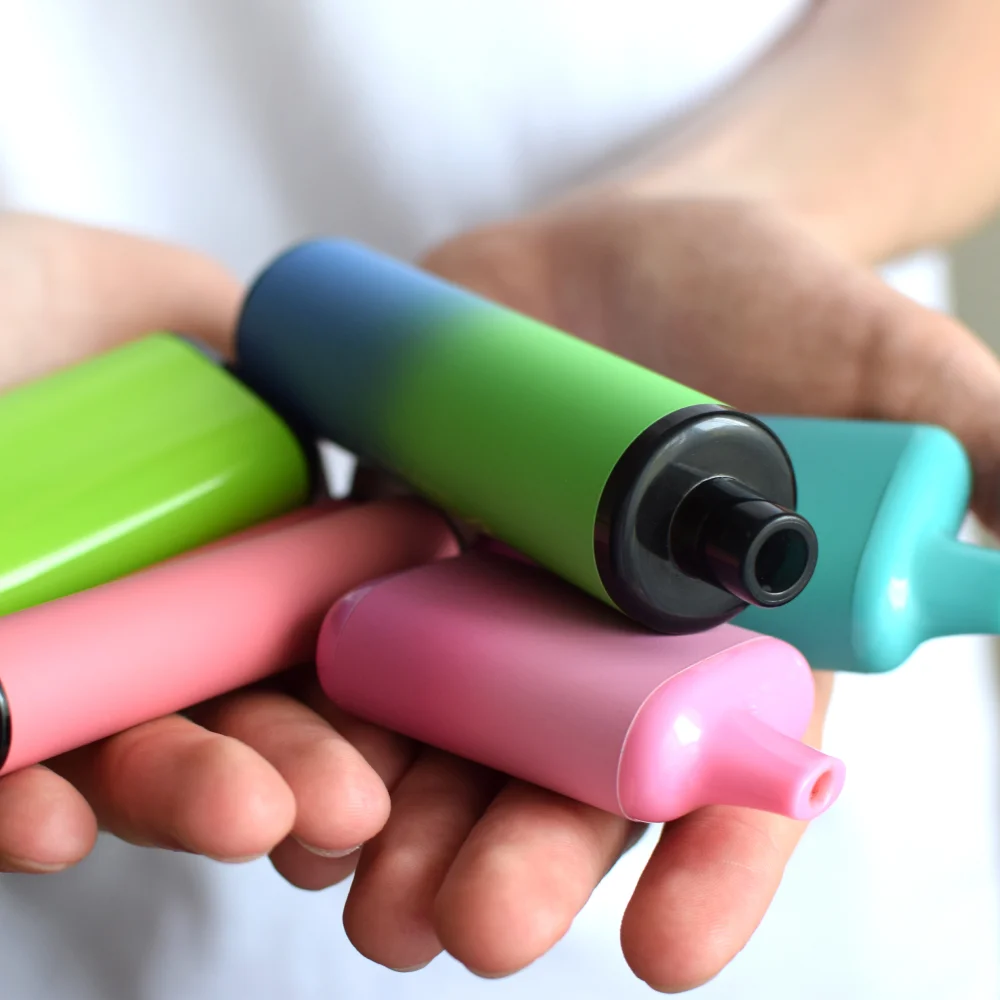
There's not necessarily a link between popular culture and spice as there is with THC. That said, popularity is rising, as we've shown with the data, with many calling the so-called "zombie drug" one of the worst drug epidemics among young people. It's cheaper, more accessible, and more discreet than THC, as it doesn't have a smell.
Get a Quote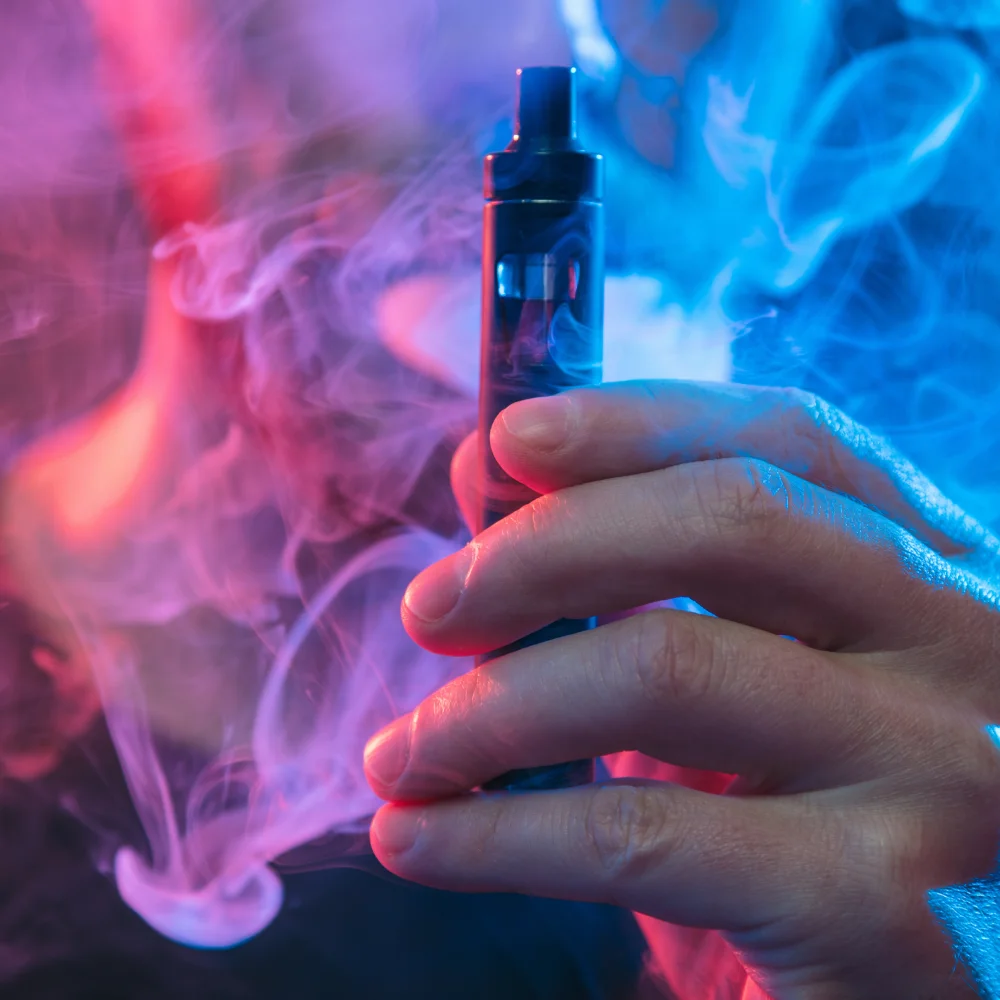
Notable Forensic Cases Involving Spice
There have been multiple forensic cases involving spice, with individuals seemingly going into a drug-induced psychosis, hence the term "zombie drug". Just recently, an HMP Birmingham prisoner was found dead inside his cell with a suspected spice vape present, although more investigations need to be done to confirm the cause of death. Additionally, in 2022, a woman passed away and another was hospitalised due to synthetic cannabinoid toxicity following the consumption of a single ‘gummy’ sweet mis-sold as a ‘cannabinoid gummy’.
Risk of Contamination
The risk of contamination with spice is high. This contamination can arise in any spice drug product as a result of the unregulated and poor manufacturing processes conducted, low purity products used in synthesis, or to gain more profit where drugs are sold by weight and are ‘bulked out’ by cheap, readily available materials that can’t be easily detected or identified by the user. Some of the common contaminants are:
- Solvents
- Chemical by-products
- Pesticides
- Fertilisers
- Plant contaminants
- Heavy metals
If you need help or advice with getting accurate spice drug testing, contact one of our friendly team members today at +44 020 3551 1493 or send an email to info@attolife.co.uk.
Get a Quote